A few hours spent at the Walmsley Sanctuary always throws up a few surprises. Todays was a flock of about 30 Fieldfare settling in the trees at the back of the reserve and then overflying the hide at low level.
Four species of raptor were seen (Kestrel, Buzzard, Sparrowhawk and Peregrine). One of the Kestrels is shown below
Wednesday, 31 October 2012
Tuesday, 16 October 2012
With little other activity going on for my part (apart from grandchildren and organising a photo competition and a rather unproductive visit to Porthgwarra today) I am posting some more images from my trip to the wader spectacular in Norfolk.
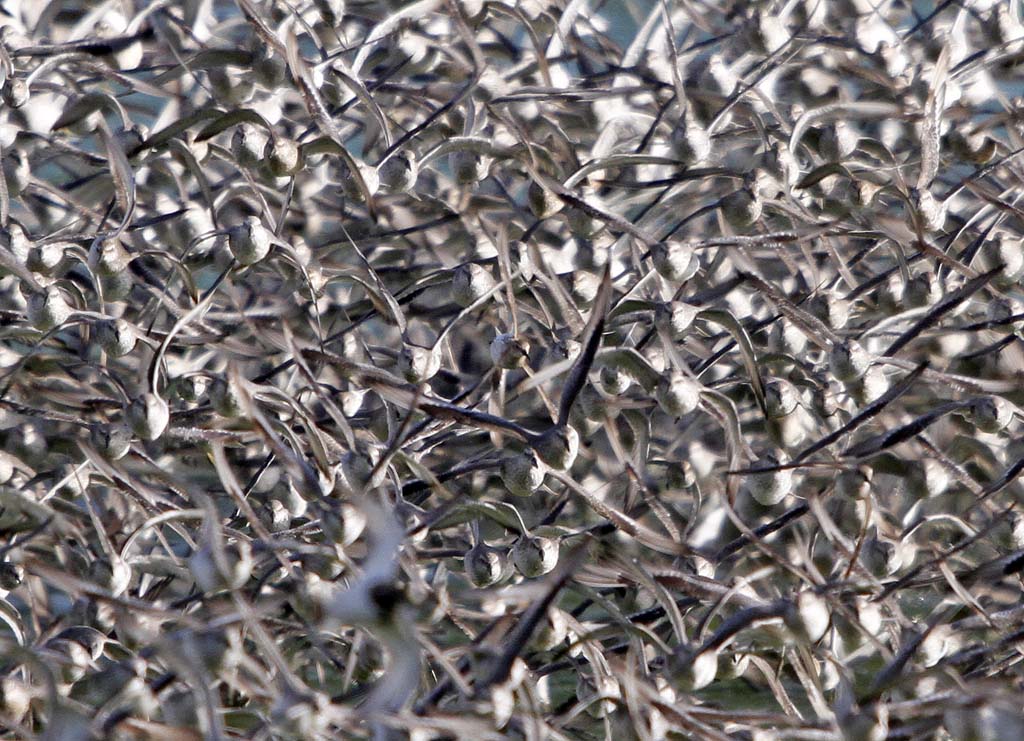
Patterns in the sky
A blur of wings
Incoming Knot
Knot
Landing Redshank
Monday, 24 September 2012
Sunday, 23 September 2012
Norfolk is an area of the country with big skies and big quantities of birds.
On a few days in autumn and spring at Snettisham on the Wash coast the sun and the moon conspire together to produce the highest spring tides that force tens of thousands of waders off the mudflats and on to lagoons behind the beach that are left over from gravel extraction. Unfortunately the spring tides occur early in the morning and late in the evening restricting the time available for photography. This also explains why in the winter this spectacular exent is not visible. it is dark!
I went there on 16th Sept, the starting date for 5 days of suitable tides. The instructions were to leave the car park at 5.15am for the mile and half walk to the viewing point and hides.
As the tide comes in over the mudflats it pushes the waders together on the ever shrinking areas of mud until eventually they are forced to fly. On the best days they fly around in huge flocks swirling and diving in a similar way to starling flocks.
They settle on the shingle banks in the lagoon clustering closely together and emitting a cacophony of noise.
Within an hour or two they have all left, often in one huge flock, as the tide falls.
The majority of birds are Knot with lesser numbers of Oystercatchers and only a few thousand Godwits.
It is one of the great spectacles of nature in the UK.
On a few days in autumn and spring at Snettisham on the Wash coast the sun and the moon conspire together to produce the highest spring tides that force tens of thousands of waders off the mudflats and on to lagoons behind the beach that are left over from gravel extraction. Unfortunately the spring tides occur early in the morning and late in the evening restricting the time available for photography. This also explains why in the winter this spectacular exent is not visible. it is dark!
I went there on 16th Sept, the starting date for 5 days of suitable tides. The instructions were to leave the car park at 5.15am for the mile and half walk to the viewing point and hides.
As the tide comes in over the mudflats it pushes the waders together on the ever shrinking areas of mud until eventually they are forced to fly. On the best days they fly around in huge flocks swirling and diving in a similar way to starling flocks.
They settle on the shingle banks in the lagoon clustering closely together and emitting a cacophony of noise.
Within an hour or two they have all left, often in one huge flock, as the tide falls.
The majority of birds are Knot with lesser numbers of Oystercatchers and only a few thousand Godwits.
It is one of the great spectacles of nature in the UK.
You might have to look carefully at this last picture.
More images in the next post
Friday, 14 September 2012
The Rumps today at 9 am was a miserable place to be but it rapidly got better. Plenty of Gannets passing close to the point and a good passage of Manx Shearwater and Auks further out beyond photographic range. Also a few unidentifed Skuas passed at distance. I must get my eye in for this sea watching lark. Other things to note were two Peregrines, a Hobby, a Kestrel, some Kittiwakes, Fulmars and a Sunfish.
Then back to Walmsley and in amongst the 10 Dunlin was a juvenile Pectoral Sandpiper. There was a second Pectoral Sandpiper but it flew off before I could get the camera out.
Tuesday, 11 September 2012
Thursday, 6 September 2012
The area between Polruan and Polperro on the south coast of Cornwall is an underwatched bird area. The scenery is fantastic but it is a difficult corner to get to requiring a drive through small lanes from Lostwithiel or Liskeard and it is not on a through route from anywhere.
Highlights of the day were two pairs of Yellowhammers and some juveniles, Wheatears on migration and large numbers of butterflies including Painted Ladies.
From Pencarrow Head looking across Lantic Bay to Blackbottle Rock
Small Tortoiseshell
Sunday, 2 September 2012
Saturday, 1 September 2012
Friday, 31 August 2012
This evening I had the pleasure and the privilege of sitting on Par Beach surrounded by a 30 strong mixed flock of Dunlin, Ringed Plover and Sanderling. Sitting quietly for 30 minutes as the tide came in the birds approached me to within 5metres, almost too close for good photography with a long lens.
Friday, 24 August 2012
Thursday, 16 August 2012
It doesn't rain in Cornwall does it? At least not often. Today was one of those days it did. A number of heavy rain showers passed over the Walmsley Sanctuary near Wadebridge and produced this rainbow over the reserve.
It is a good job Little Grebes are waterproof.
But before the rain came down I found this Whimbrel at Burniere point.
Monday, 13 August 2012
Today, at Carlyon Bay there was a stranding of a 65ft Fin whale. This normally Atlantic resident beached at about 2:30pm and these pictures were taken at 8pm. It is such a shame to see a large animal in distress and, being well stuck on the tide line and battered by the waves, the prognosis is not good.
Sunday, 22 July 2012
Thursday, 12 July 2012
At last, a break in the weather. Despite some showers it was very pleasant day yesterday and a walk around Pentire Head beckoned.
Pentire Head looking towards the Rumps on the North Coast of Cornwall. In the left foreground is a plaque commemorating the well known poem 'For the Fallen' which was composed on these cliffs in 1914
They shall not grow old, as we that are left grow old
Age shall not weary them, nor the years condemn
At the going down of the sun and in the morning
We shall remember them
Laurence Binyon
A Kestrel against the wind allowing a close approach. This is virtually full frame on a 400mm lens.
Right out on the end of The Rumps there were good views of an Ocean Sunfish (prob. Mola mola). Seen here swimming on its side the sunfish is a deep bodied and laterally compressed bony fish. It can reach a size of up to 3metres. Habituating all tropical and temperate oceans it preumably is delivered to our shores by the Gulf Stream.
Again on the end of The Rumps these mountain goats, actually sheep, seemed to be paying attention to my lunch.
A Small Copper butterfly
A Large Skipper butterfly
Subscribe to:
Posts (Atom)